
Media Library / Images
In order to send you the picture material you need, please click some examples – after receipt of your E-Mail we will personally contact you to hear your exact requirements.
Category
- All
- Products
- Applications
- Company
Applications
- All
- Petrol Station Equipment
- AdBlue® Refilling
- Tank Truck Equipment
- Alternative Fuels
- Chemicals
- LPG / DME
- Pharmaceuticals
- CNG / NGV
- Aircraft Refuelling Equipment
- LNG
- Rail Tankers
- H2 Hydrogen
- Ships & Marina
- LH2 Hydrogen
- Rubber Expansion Joints
- Hose Reels
Sales Division
- All
- SAT(Hoses and Fittings)
- EHT(Petrol Pump Nozzles and Accessories / Hoses)
- ERV(Rubber Expansion Joints)
Sorting
- Newest on top
- Alphabetical
Filter by keyword

ELAFLEX Hamburg
Delivery trucks, loading ramps
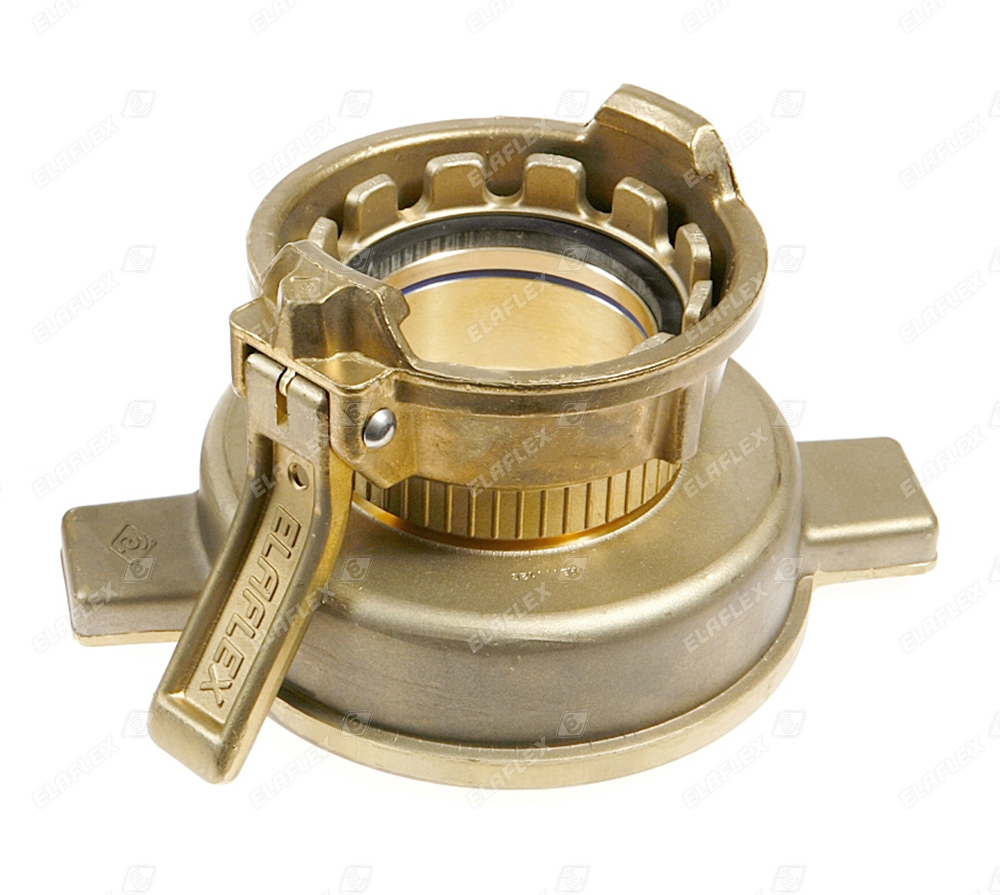
KWZ x MK 80-32°
Rail car adapter with TW coupler, bent lever

Road tanker Sweden
large reel with HD hose assembly, DDC-V (Dry Disconnect Coupling, tank unit) and DDC-K (caps)

ERV-G 100 TW
Aircraft refueller
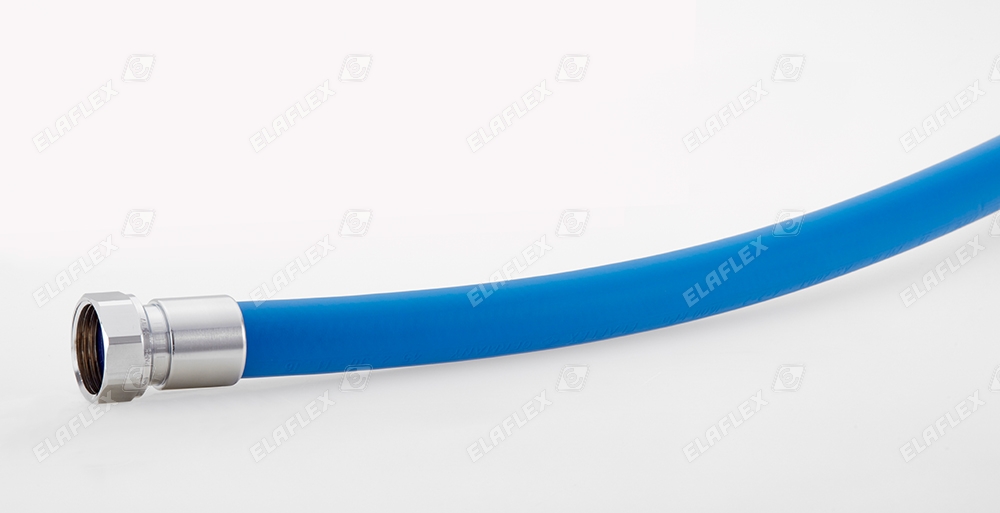
M 16-1" NR cr
Female ferrule hose coupling EN 14424, factory assembled, non-reattacheable. Slimline 16 hose, blue.

ERV-G AF
Suitable for piping systems of aviation refuelling or dispensing vehicles in accordance to EN ISO 1825/EI 1529. Suitable for all aviation fuels.
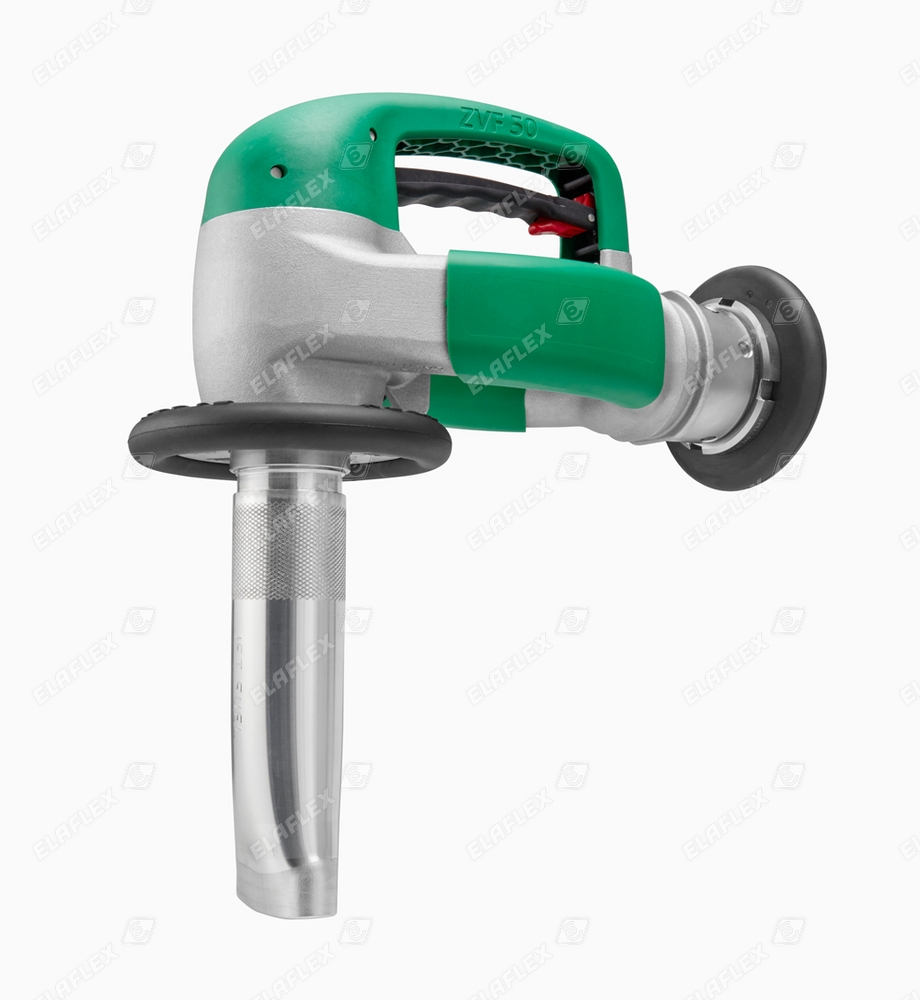
ZVF 50 UL 91 / green
Manual aviation fuelling nozzle for overwing service. Flowrate up to 400 ltr. / min. (85 IGM – higher flowrates are possible). Size DN 50. Working pressure PN 10 (140 psi). Temperature range - 40° C up to + 55° C.

HD 100 C Neon, underwing refuelling
Aircraft Dispenser
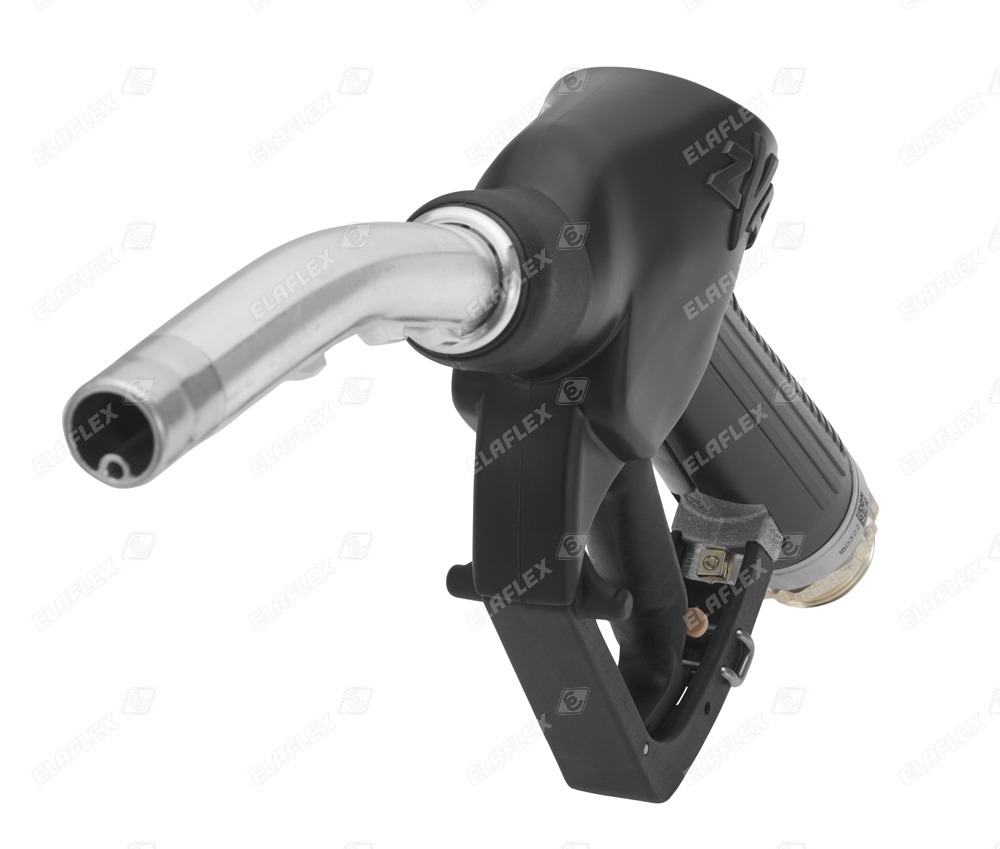
ZVA Slimline 2, black, guard 3 - side/front view
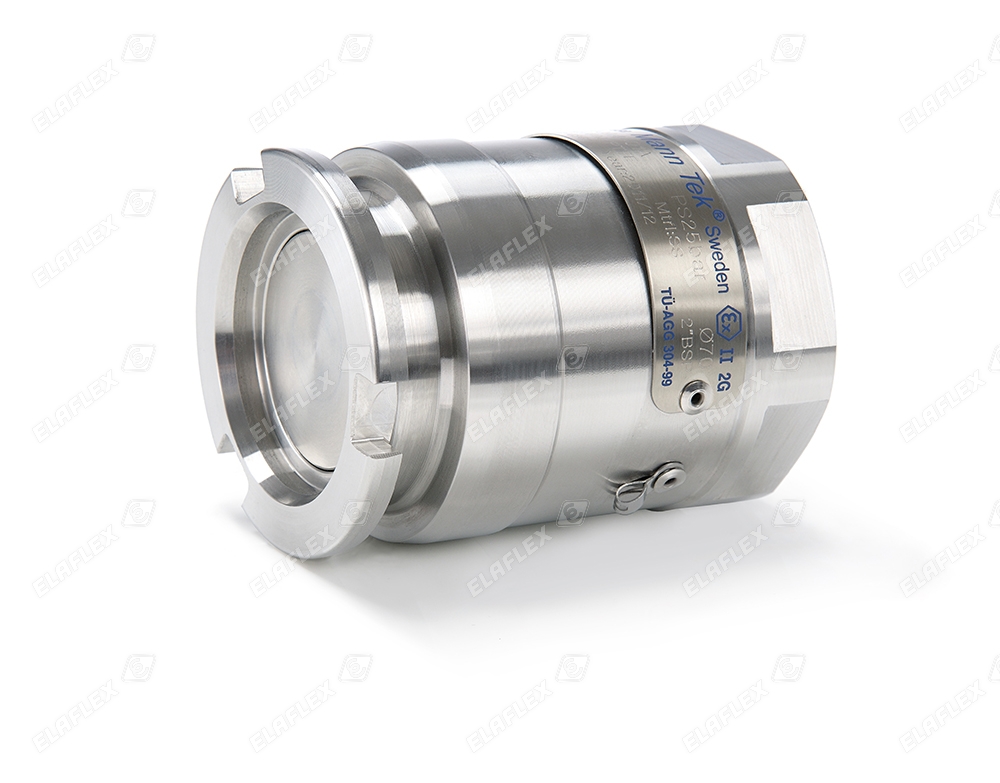
DDC-V 50 SS
MannTek Dry Disconnect Coupling, DN 50, stainless steel, with BSP thread connection

ELAFLEX Tanktechnik, Production Plettenberg / Germany
Sand casting ZVA

DAC-V 65
Aircraft refueller , Dry Aircraft Coupling to ISO 45 for bottom loading; detail

Graphic Drip Stop spout for ZVA Slimline 2 nozzles

Dantec Production hose
Composite hoses: crimping of a flanged hose coupling

MannTek, DEC-M 38, DCC-M 50, DGC-M 80, DDC-M 50, DDC-M 80, DAC-M 65, DAC-V 65

Hose Reel Spring Rewind, ZVA Slimline 2 blue
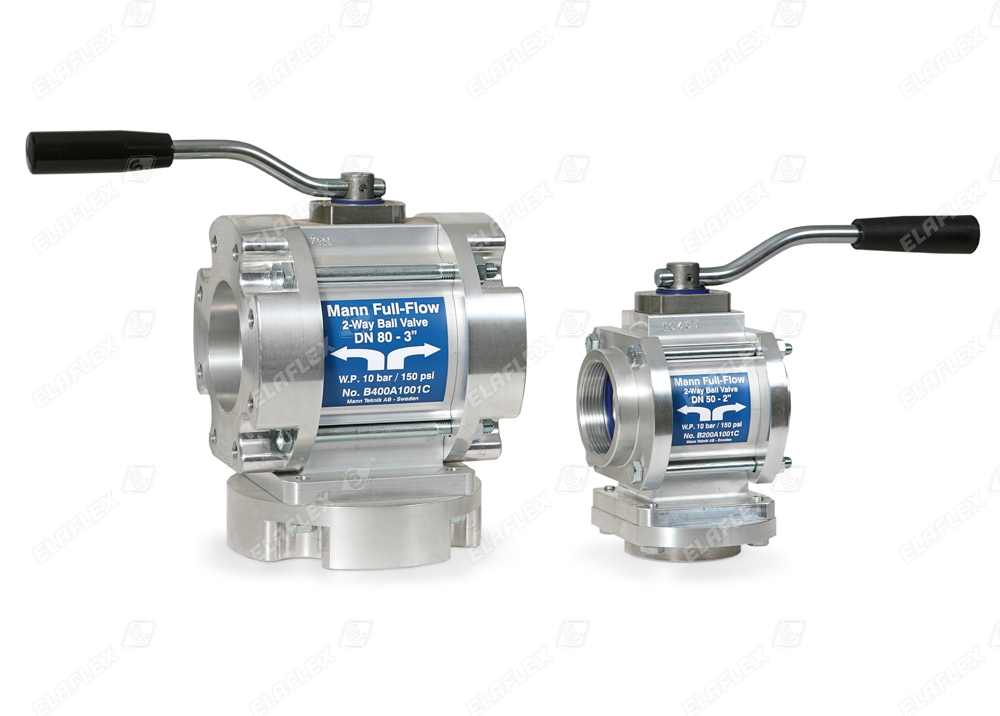
MannTek FFBV
Full Flow Ball Valves 2-way

Cargo loading of a tanker with petroleum based products; FHD hose assembly
Picture courtesy of Macoil International, Gibraltar
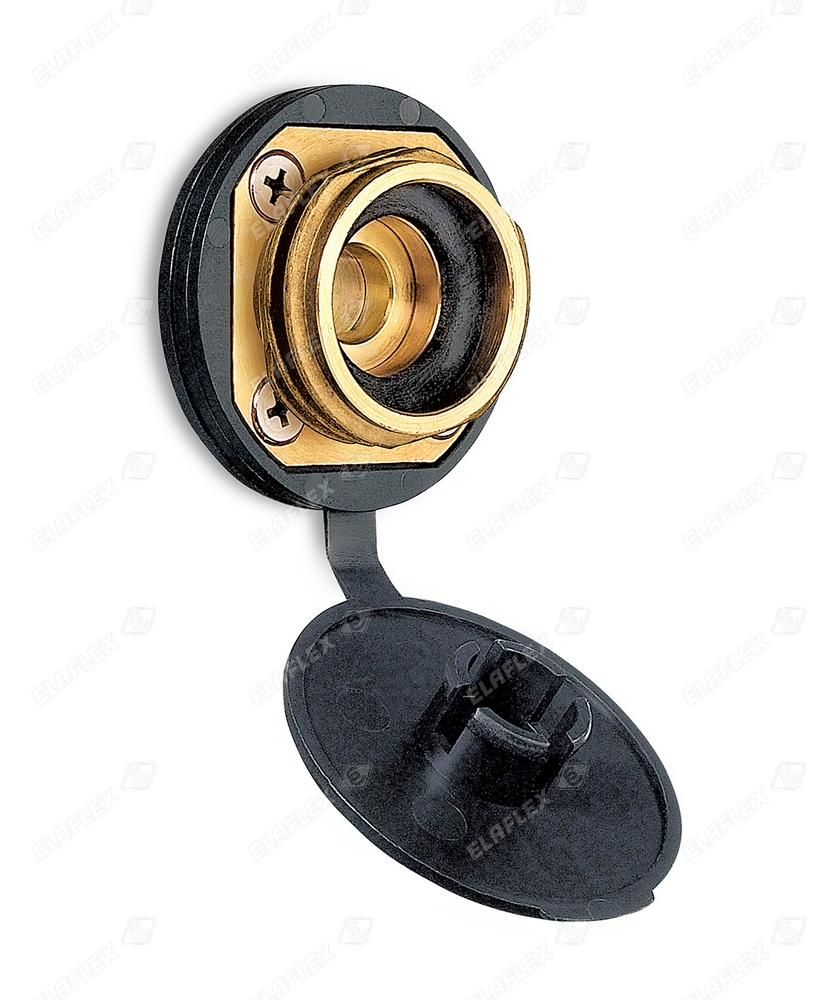
LPG Autogas Adapter (filler inlet) ACME
ACME thread 1 3/4"

Hose trolleys, HD 100 C
Type HD-C, aviation hose, Aljac bonding reel und Lanyard reel

Cargo loading of a tanker with petroleum based products; FHD hose assembly with new longitudinal stripe to avoid torsion
Picture courtesy of Macoil International, Gibraltar
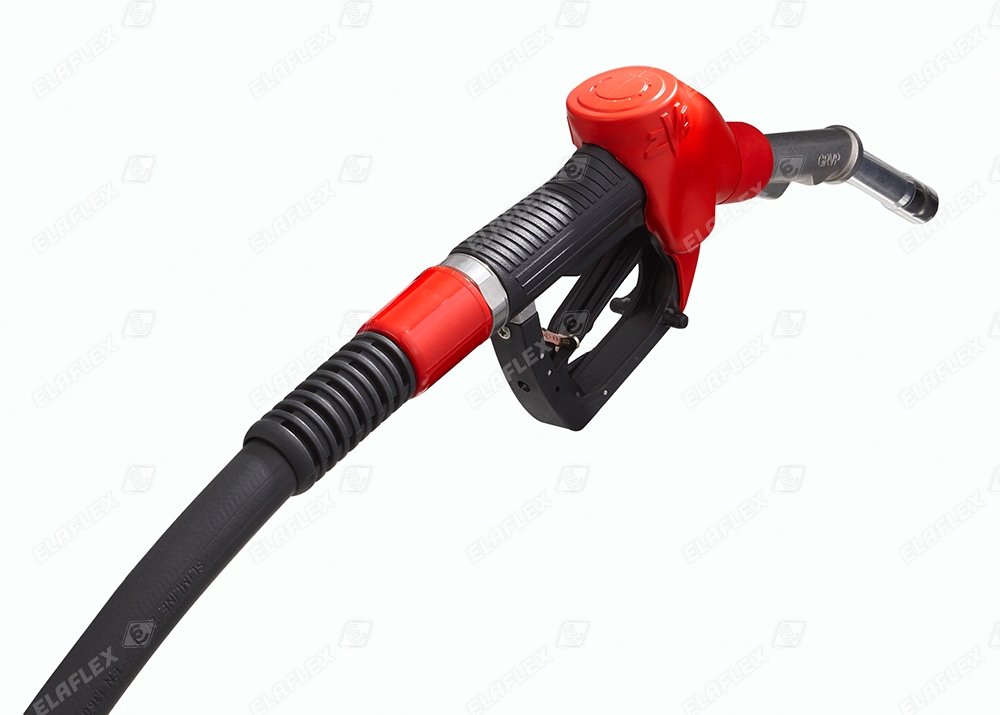
ZVA Slimline 2 GR, guard 3, red, Coax hose assembly with Colour Sleeve red

MK-A 80 SS
MK 80 SS with active safeguard lever

LPG road tanker loading with MannTek SBC Safety Breakaway Couplings
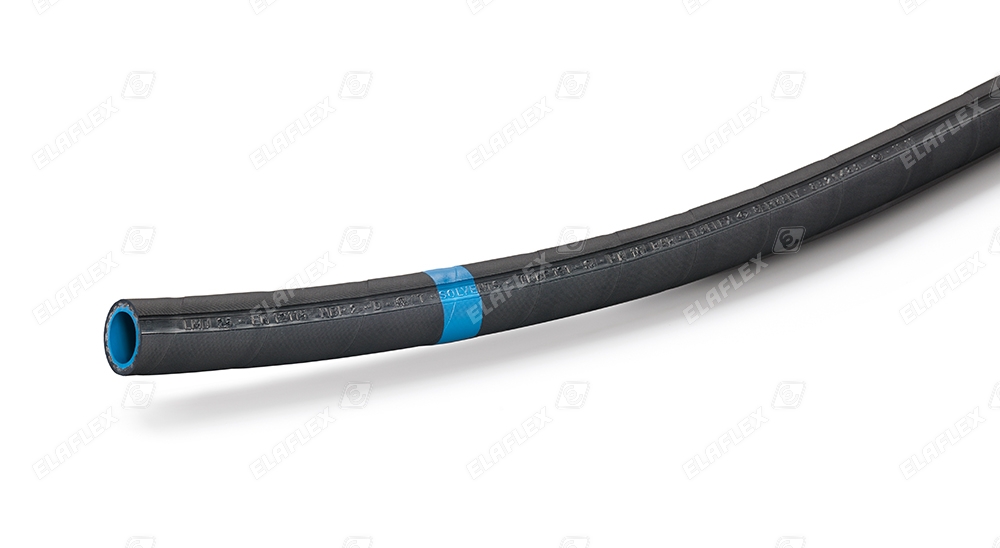
LMD 25 Blue Band solvent hose
without helix

Ship loading various media - STW 150 and UTS 150 hose assemblies

ERV-OR ... ZS
"Orange Band" Rubber Expansion Joints with limiters; heating plant

ZVF 50 AVGAS overwing refuelling
with HD-C hose assembly

ZVA 25 for aircraft refuelling
red plastic cover (scuffguard), decal (sticker) AVGAS, dust cap and ground cable assembly
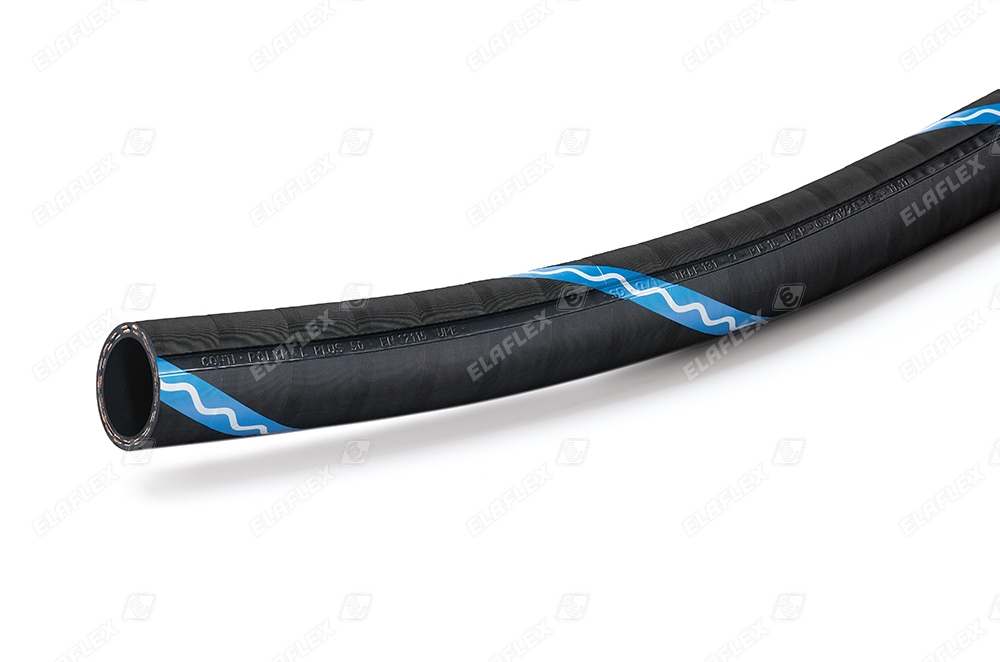
Polypal Plus 50 universal hose
with seamless, black, conductive UPE lining. For almost all liquid and pasty chemical and petroleum based products and solvents. Meets EN 12115.